
Teacher’s Toolbox
Imagine: you’re having a perfectly normal day, and then you see it pop up in your messages:
💬 “Hi… I think I need to stop the lessons for now.”
Your heart sinks. A little wave of panic hits. What did I do wrong? Is it my teaching? Will they ever come back?
Take a deep breath. First, know that you’re not alone. This happens to every teacher — and it’s rarely personal.
This article is your friendly guide to navigating this tricky moment. We’ll talk about how to respond with empathy, keep the relationship strong, and — who knows — maybe even to motivate students to stay on board.
Why Students Leave — and How to Turn It Into a Pause, Not a Goodbye
Students quit for a million reasons, and most of them have little to do with your teaching. The most common reasons are these 👇
💸 Budget Changes: Sometimes, the math just doesn’t work anymore.
📄 Busy Schedules: School gets crazy, work picks up, and something has to give.
🙅 Motivation Slump: That initial excitement fades, and practice feels like a chore.
😕 Mismatched Expectations: Maybe they thought they’d be a rock star in three months — and reality hit.
❗ Musical Performance Anxiety (a hidden cause): Sometimes, the reason is deeper than busyness or budgets. It’s the stress and anxiety that can come with performance. A Spanish study of young music students found that Musical Performance Anxiety (MPA) was a powerful driver for leaving. The research showed that 19% of the students had seriously considered quitting music because of MPA.
When you see a student struggling with performance anxiety, recommend speaking with a therapist. For kids and teens, it's best to guide their parents toward finding that support.
Understanding these factors helps you respond not just as a teacher, but as a mentor — someone who supports the whole musician, not just their technique. This insight is crucial for your communication with students.
Teacher Scripts: Effective Conversation
When someone says they want to quit, our first instinct is to list all the reasons they shouldn’t: “But you’ve made so much progress!”, “We’re just getting to the good part!”
Resist that instinct! Pushing back can make them feel defensive and more certain about leaving. Instead, lead with empathy. Show that you understand and respect their feelings, even if you disagree. This approach makes students feel heard and valued — not pressured.
💡 A simple formula goes: Listen → Acknowledge → Offer Support → Suggest Options
Here are a few gentle, realistic teacher scripts you can adapt to different situations 👇
A. The Student Who Needs a Break
💬 “Thanks for letting me know — I completely understand. Everyone needs a breather sometimes! Life gets busy. Would you like me to hold your spot for a few weeks, just in case you feel ready to come back? No pressure at all.”
Why it works: It’s kind and non-pressuring, while the “hold your spot” line makes it easy for them to return.
B. The Student with Financial Concerns
💬 “Totally get it — budgets shift, and I really appreciate your honesty. If it helps, I’d be happy to suggest a lighter schedule or shorter lesson length for now. Let me know if that sounds useful!”
Why it works: It shows compassion and immediately offers a practical, flexible solution.
C. The Student Who’s Lost Motivation / Feels “Stuck”
💬 “I’ve noticed that too, and I really appreciate you sharing it. It’s totally normal to hit a plateau. How about we try something completely different next month — maybe a new genre or a song you pick? Sometimes a small change brings the fun back!”
Why it works: You’re on their team. You acknowledge the struggle and proactively offer to mix things up. This is one of the most effective strategies to boost learning motivation.
💡 For more ways to address motivation issues, check out our dedicated post with motivation quotes for students — perfect for dealing with struggling students!
D. The Parent Who Wants to Stop
💬 “Thank you so much for letting me know. I completely respect your decision. To help me make our final lessons positive, would you mind sharing what [Child’s Name] enjoyed most about our time together? That way, we can end on a high note!”
Why it works: It’s an incredibly professional and graceful example of parent communication for teachers. The question reinforces the positive experience and leaves a lasting good impression.
Small Shifts to Engage Students
Sometimes, a small adjustment can reignite a student’s connection to lessons.
- Offer Flexible Formats: Suggest 30-minute lessons, a bi-weekly schedule, or asynchronous feedback. Flexibility can be a game-changer.
- Create Mini-Goals: Try a “4 Weeks to Learn Your Favorite Song” challenge, host a mini online recital, or plan a recording project. Short-term goals reignite excitement and support educational motivation.
- Build a Community: Create a private chat group, host virtual recitals, or share playlists. When students feel part of something, they’re more likely to stay.
- Make Repertoire Relevant: Ensure the student is playing music they love, not just technical exercises. Ask, “What’s a song that makes you turn up the radio?” and find an arrangement for their level.
- Check the ‘Health’ of the Instrument (or Voice): Sometimes frustration comes from a technical issue. A poorly tuned guitar, a faulty keyboard, or even a mild cold can make a student feel like they’re failing. A gentle, “How’s your instrument feeling today?” can help uncover hidden barriers.
💡 Pro Tip: If you notice several students leaving around the same point — say, after six months — use that insight! Maybe that’s when motivation dips, and you can add a milestone performance or creative project to keep things fresh.
👉 Read 10 Interactive Activities for Online Music Lessons article and learn even more ways to engage students!
Communication with Parents: What to Say
For younger students, parents are gatekeepers and key supporters. As grammy-nominated trombonist and music educator Anthony Mazzocchi points out, the more parents treat music as a core subject — just like math or science — the less likely students are to quit.
Here’re 3 simple ways to foster that partnership 👇
- Explain the “Why”: Help parents see that music education isn’t a hobby; it’s building discipline, cognitive skills, and emotional intelligence — all as crucial as other core subjects.
- Ask “What,” Not “How”: Suggest parents ask, “What new part did you learn today?” instead of “How was practice?” — shifting focus from feelings to achievements.
- Normalize the Ups and Downs: Remind parents that the desire to quit often signals a learning plateau, not failure. Their role is to balance gentle insistence on consistency with allowing occasional breaks.
When Student Retention Ends
Sometimes, no matter what you do, a student is set on quitting music — and that’s okay. Your job at this moment is to end things with enough grace. You’ll know it’s time when you’ve offered empathy and options, and they still say a firm, polite “no, thank you.”
Your farewell message to students can sound like this 👇
💬 “I’ve absolutely loved working with you and will miss our lessons. Thank you for all your hard work. If you ever want to return to music in the future, my door will always be open. I’d be thrilled to pick up right where we left off. All the best!”
That leaves a warm, lasting impression — and you never know, they might refer a friend or come back down the road.
Your Best Retention Strategy (and it isn't a script)
Every teacher has those moments — a message, a pause, a goodbye. But with the right words, the right mindset, and the right tools, those moments can turn into new beginnings.
The best student retention strategy isn’t a script you pull out in a crisis — it’s the positive, supportive atmosphere you build every single day, in partnership with both students and their parents.
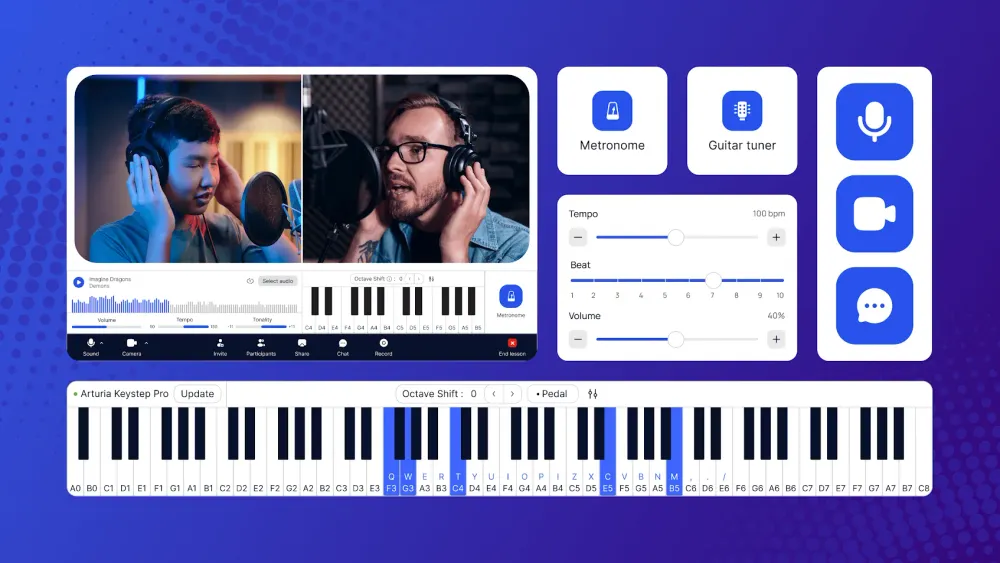
MOOZ’s teaching tools were created for exactly that — to help online music teachers build lasting connections and make every lesson feel personal. Because when your online teaching platform supports empathy and communication, students don’t just learn — they stay.

Related Articles

Synchronization in Online Music Lessons: A Complete Breakdown
Learn how tech fixes internet latency. Make synchronous music today!
How to Start Your First Lesson in MOOZ: A Step-by-Step Guide
Read MOOZ step-by-step guide to make your first class smooth, professional, and perfectly in tune.

Guide to Teach Music Online Smarter: MOOZ & Moosiko Insights
Learn how to solve the 5 biggest online teaching challenges that are costing you time and students.