
Lesson Lab
In 2026, the cost of saxophone lessons typically ranges from $40 to $70 per hour, with a nationwide average around $65–$68 for a full 60-minute session. Beginners can often start with shorter 30-minute lessons at $30–$45, while experienced instructors or those in big cities may charge $80+. Online saxophone lessons frequently come in lower, offering flexibility and access to qualified teachers without travel. This guide breaks down real pricing data, what influences the rates, and how to choose the right format for your goals and budget.
Why Saxophone Lesson Prices Vary in 2026
Saxophone instruction costs depend on several clear factors. Understanding them helps you shop smarter and avoid overpaying or under-investing in your progress.
Teacher Qualifications and Experience: Instructors without a formal music degree often charge around $40 per hour. Those with a bachelor's in saxophone typically range from $60–$70, while master's-level or touring professionals can exceed $100 per hour. A teacher who has performed professionally brings real-world insights into tone, improvisation, and stage presence that accelerate learning.
Lesson Format: Online vs In-Person: Online lessons through platforms like Zoom or specialized music tools average $30–$40 for 30 minutes and feel more affordable overall. In-person sessions usually run $35–$45 for half an hour or $75–$110 for a full hour, with in-home visits pushing closer to $100. Online removes travel time and often lets you work with top instructors from anywhere.
Location: Rates climb in high-cost cities (New York, Boston, or Los Angeles) by 20–30% compared to smaller towns. Studio lessons tend to cost less than private home visits.
Lesson Length and Frequency: Weekly 30-minute lessons suit most beginners and average $140–$200 monthly. Longer 60-minute sessions for intermediates or adults run $280–$400 per month when booked as a package. Many schools discount ongoing weekly commitments.
Student Level: Beginners need focused guidance on embouchure, breathing, and basic fingerings. Advanced players or jazz enthusiasts seeking improvisation or complex solos may pay more for specialized expertise.
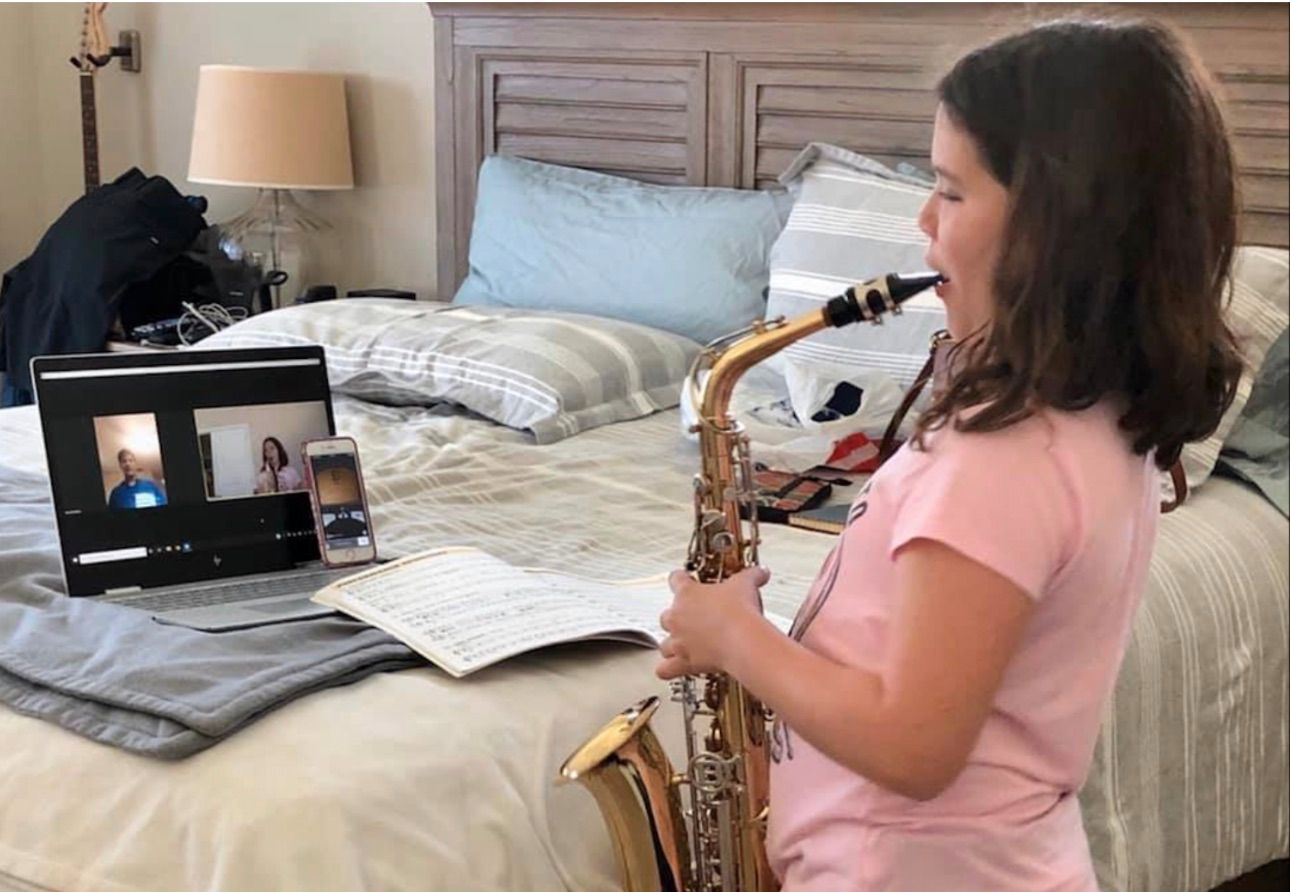
Child practicing saxophone during a live online lesson
Average Saxophone Lessons Costs in 2026 (Data Snapshot)
Here's a clear breakdown based on recent surveys and platform data:
- 30-minute lesson — Online: $30–$40 | In-person local: $35–$45 | Studio/school average: $38–$60
- 60-minute lesson — National average: $65–$68 | Range: $40–$70 (up to $100+ for pros) | In-home: ~$100
- Monthly for weekly 30-min lessons — $140–$200
- Monthly for weekly 60-min lessons — $280–$400 (average ~$320)
- Group or ensemble classes — Often ~$20 per 30 minutes
These figures reflect 2025–2026 data and hold steady into early 2026, with slight regional adjustments. Packages with prepaid months usually save 10–20%.
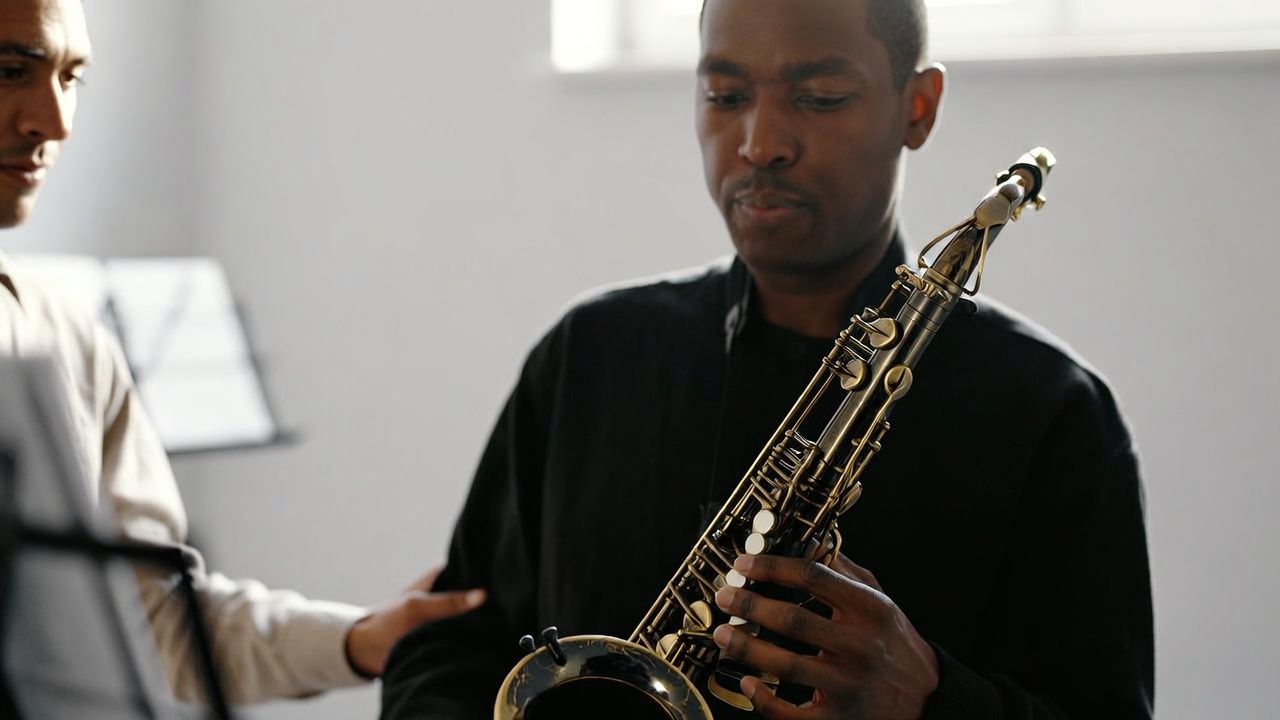
Private lessons provide personalized feedback essential for building strong saxophone fundamentals.
Online Saxophone Lessons: Often the Smarter Choice
Live online saxophone lessons deliver excellent value in 2026. You avoid commuting, gain scheduling flexibility, and frequently access instructors with strong credentials at competitive rates. Many qualified teachers (holding at least a bachelor's in saxophone) offer sessions around $65 per hour with a free trial lesson and no long-term contract.
Specialized platforms built for music go further. They solve common pain points like audio lag, compressed sound, and switching between apps for backing tracks or metronomes. One standout is MOOZ (mooz.pro) — an all-in-one video platform designed specifically for music lessons. It features studio-grade audio with zero latency and full frequency response, so every nuance of your saxophone tone comes through clearly. The built-in sync player lets you and your teacher play along perfectly with backing tracks or sheet music, while tools like a metronome, rhythm trainer, and transposition help you practice efficiently. Teachers report higher student engagement and smoother lessons because everything happens in one workspace.
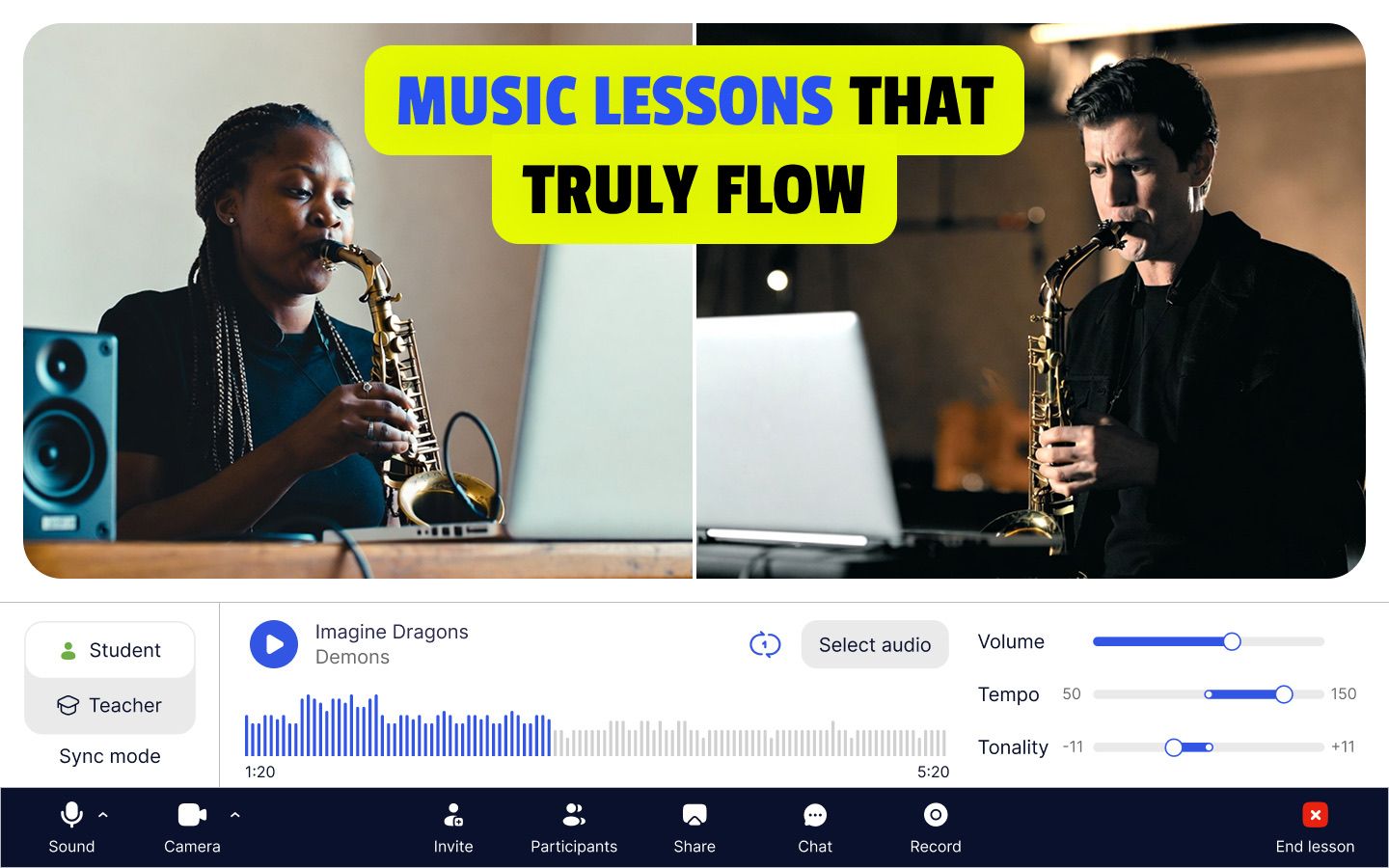
Platforms like MOOZ bring studio-quality sound and useful practice tools directly into your saxophone lessons.
Tips to Get the Most Value from Your Saxophone Lessons
- Start with a trial lesson (many instructors offer the first one free).
- Commit to weekly sessions for steady progress — irregular practice slows results.
- For beginners, prioritize teachers with saxophone-specific training to build correct habits early.
- Combine live lessons with structured practice using quality audio tools to reinforce what you learn.
- Budget for the instrument and reeds too, but lessons often deliver the biggest return on your musical investment.
It's great to practice these concepts with your beginner students — whether you're a teacher building lesson plans or a parent supporting a young sax player. And it's even better to do that online with MOOZ. The platform's clear audio and sync features help students hear and match tone and timing accurately, turning practice time into real progress.
Frequently Asked Questions (FAQ)
How much do saxophone lessons cost per hour in 2026?
Most private saxophone lessons range from $40 to $70 per hour, with a national average near $68. Online options often sit at the lower end.
Are online saxophone lessons cheaper than in-person?
Yes, typically by $5–$15 per session. They also save travel time and expand your choice of qualified saxophone instructors.
What is a good price for beginner saxophone lessons?
Beginners do well with 30-minute sessions at $30–$45. Focus on value — a slightly higher rate for a skilled teacher who prevents bad habits is usually worth it.
How much should I budget monthly for saxophone lessons?
Expect $140–$200 for weekly 30-minute lessons or $280–$400 for 60-minute sessions. Packages often reduce the per-lesson cost.
Do I need a degree-qualified saxophone instructor?
For beginners, yes — teachers with saxophone-specific training help establish proper technique faster. More experienced players may benefit from professional performers.
Can I learn saxophone effectively online?
Absolutely. With modern platforms offering high-fidelity audio and interactive tools, online lessons provide clear feedback on tone, breathing, and rhythm.
Ready to start or refine your saxophone journey? Compare a few instructors or platforms, book a trial lesson, and invest consistently — the rewards in musical enjoyment and skill growth come quickly.
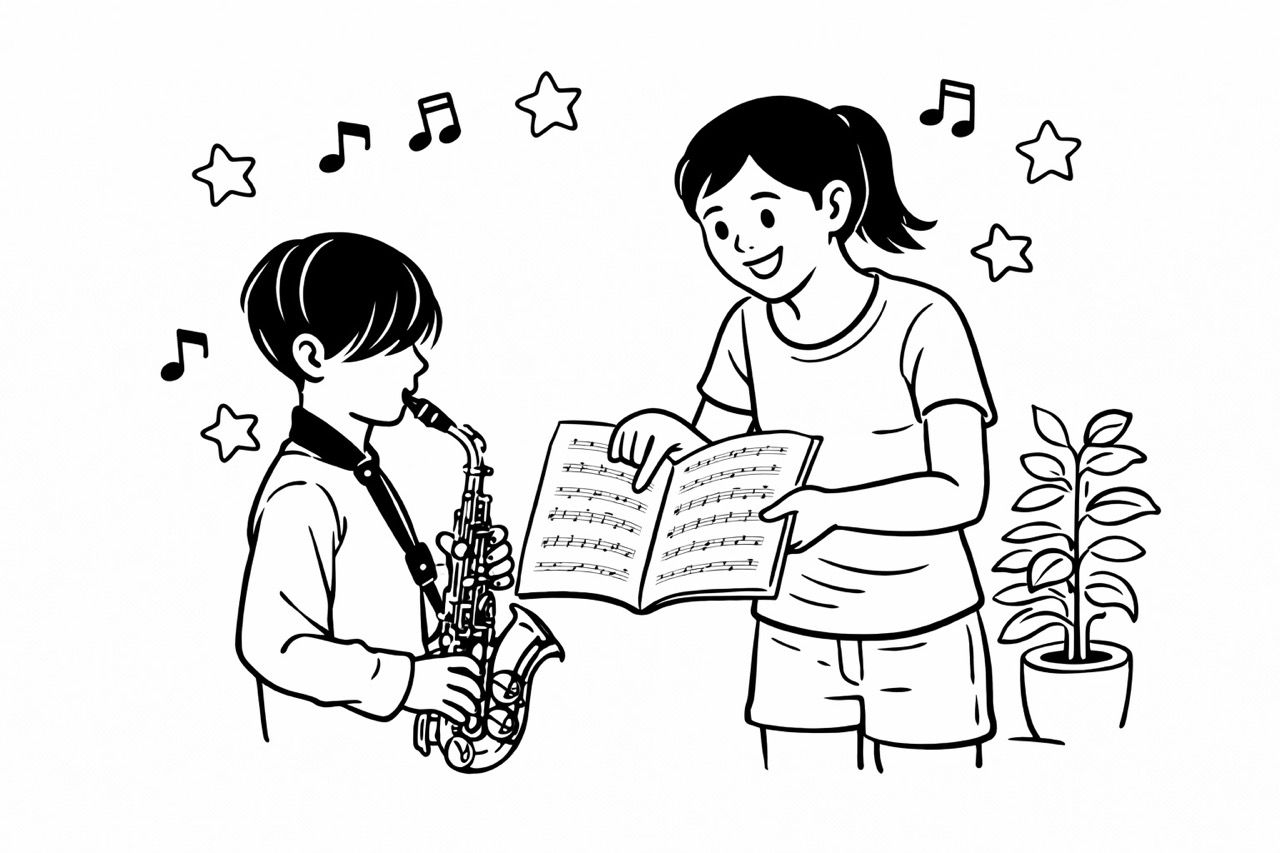
Personalized guidance from a good saxophone teacher makes all the difference in building confidence and skill.
This 2026 pricing guide gives you transparent, research-backed numbers so you can make confident decisions about saxophone lessons. Whether you choose in-person, online, or a hybrid approach with tools like MOOZ, consistent practice paired with quality instruction will help you sound great sooner.

Related Articles

Synchronization in Online Music Lessons: A Complete Breakdown
Learn how tech fixes internet latency. Make synchronous music today!
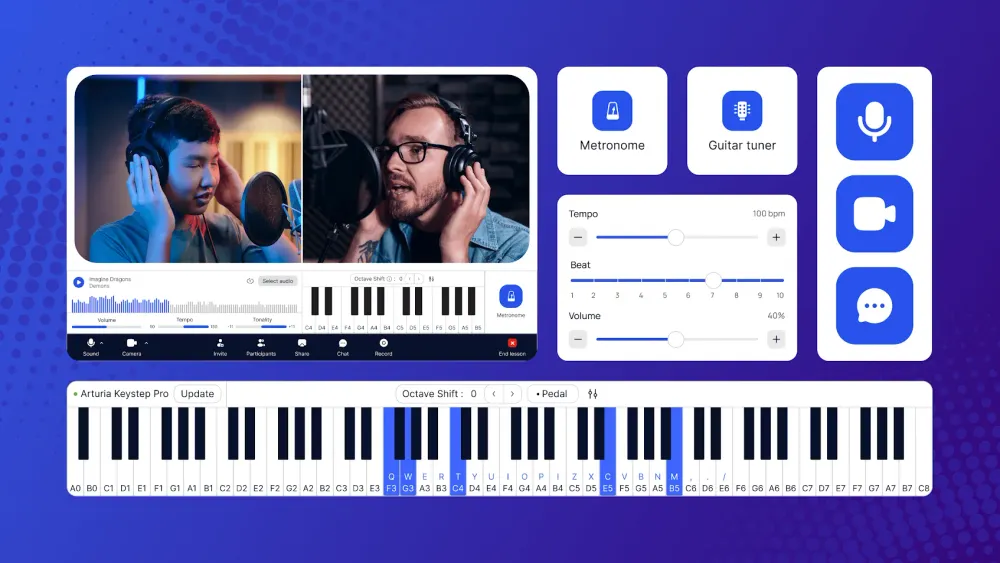
How to Start Your First Lesson in MOOZ: A Step-by-Step Guide
Read MOOZ step-by-step guide to make your first class smooth, professional, and perfectly in tune.

Guide to Teach Music Online Smarter: MOOZ & Moosiko Insights
Learn how to solve the 5 biggest online teaching challenges that are costing you time and students.