
Industry News
Whether you're just starting out or looking to refine your skills, taking vocal lessons is an exciting step.
Why Vocal Lessons Matter for Aspiring Singers
Taking vocal lessons isn't just about hitting high notes; it's about building a strong foundation that protects your voice and boosts confidence. Proper training helps you avoid common pitfalls like strain or pitch issues, leading to healthier, more expressive singing. Consistent lessons improve tone, range, and control, making it easier to perform in any style. If you're searching for "vocal lessons near me," you're already on the right path.
Types of Vocal Lessons Available
Vocal lessons come in various formats to suit different needs. Private one-on-one sessions offer personalized feedback, while group classes foster collaboration and are often more affordable. You can also choose between in-person studios and online platforms, which have surged in popularity for their convenience. For specialized training, options include technique-focused lessons using methods like Speech Level Singing (SLS), which emphasizes a balanced "mix" voice for seamless transitions between chest and head registers, or Complete Vocal Technique (CVT), which sorts singing into modes like Neutral, Curbing, Overdrive, and Edge for versatile control.
Many lessons cater to specific voice types, such as soprano (high range from B3 to A5), mezzo-soprano (A3 to G5), or alto (G3 to F5) for women, and tenor, baritone, or bass for men. This keeps exercises matched to your natural range and prevents overexertion.
👩🏫🎤 A good singing teacher shortcuts months of guesswork. Get MOOZ and take your first singing lesson →.
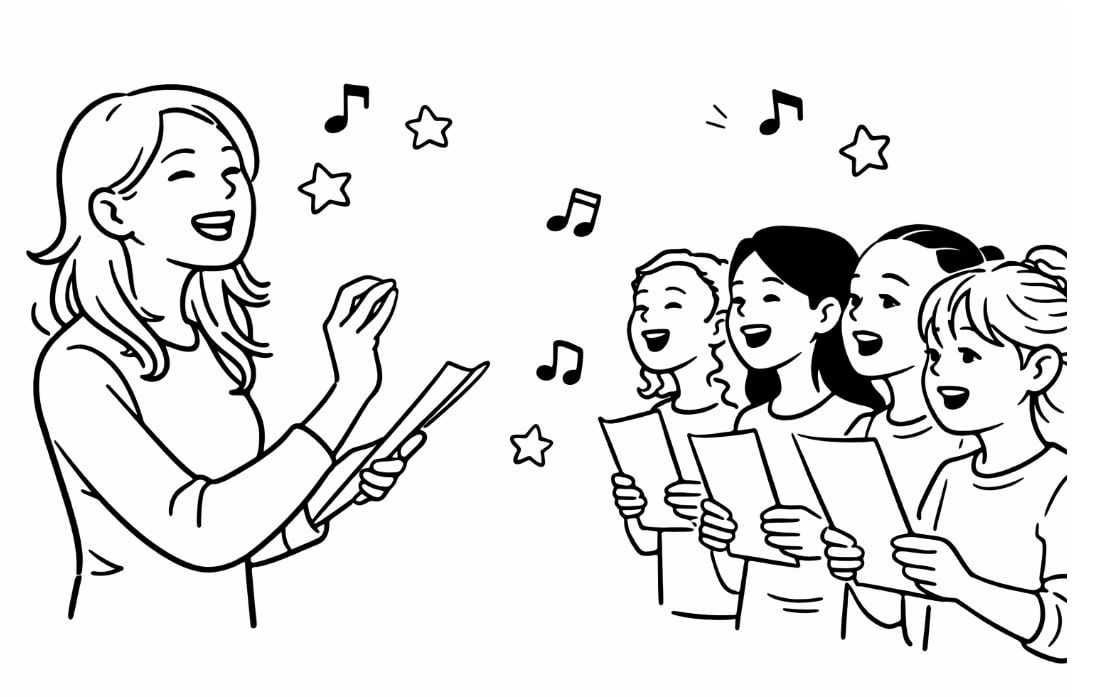
Try singing in groups
Step-by-Step: How to Find Vocal Lessons Near Me
Finding the right vocal training near you starts with a targeted search. Begin with online directories like Thumbtack or Superprof, where you can filter by location, read reviews, and compare profiles of over 27,000 coaches starting from $10 per hour. Check local music schools, such as those in Richmond, Virginia, or Fort Worth, Texas, which offer lessons for ages 7 and up in styles from classical to pop.
1. Search Locally
Use terms like "vocal lessons near me" on Google or Yelp to find studios in areas like Honolulu or Fresno.
2. Read Reviews
Look for verified feedback on technique improvement and teacher responsiveness.
3. A First Lesson
Some independent teachers offer a discounted or free first lesson. It is worth asking, but it is not standard.
4. Consider Online Options
A platform built for music, rather than generic video calls, keeps the audio clear enough for real feedback on pitch and tone.
Don't overlook community spots like conservatories or churches, which often provide affordable access.
Online vs. In-Person Vocal Lessons: Which is Right for You?
In-person lessons provide hands-on adjustments for posture and breathing, ideal for beginners who need immediate feedback. Online vocal lessons offer flexibility, especially with tools that keep audio quality high. They can be just as effective, saving travel time and opening access to top coaches worldwide.
For setup, you'll need a quiet space, headphones, and a microphone. A music-focused platform with clear sound and a built-in metronome makes remote vocal practice far more useful than a standard call.
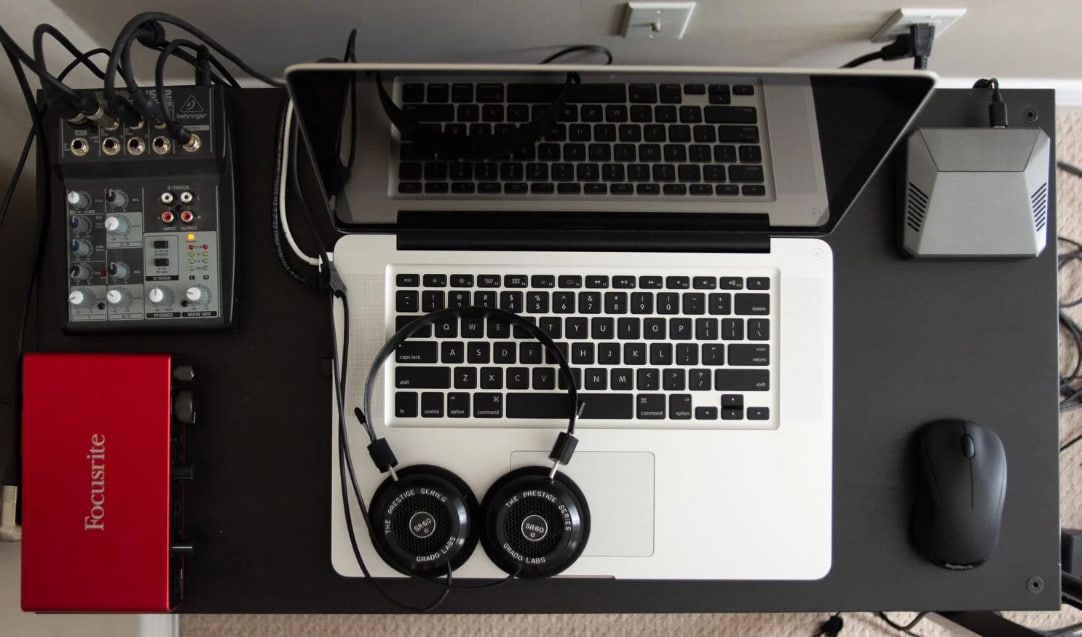
Image Credit to Courtenay Ennis Vocal Studio
Both local studios and dedicated vocal academies can be great places to start — visit a couple and see whose teaching style clicks with you.
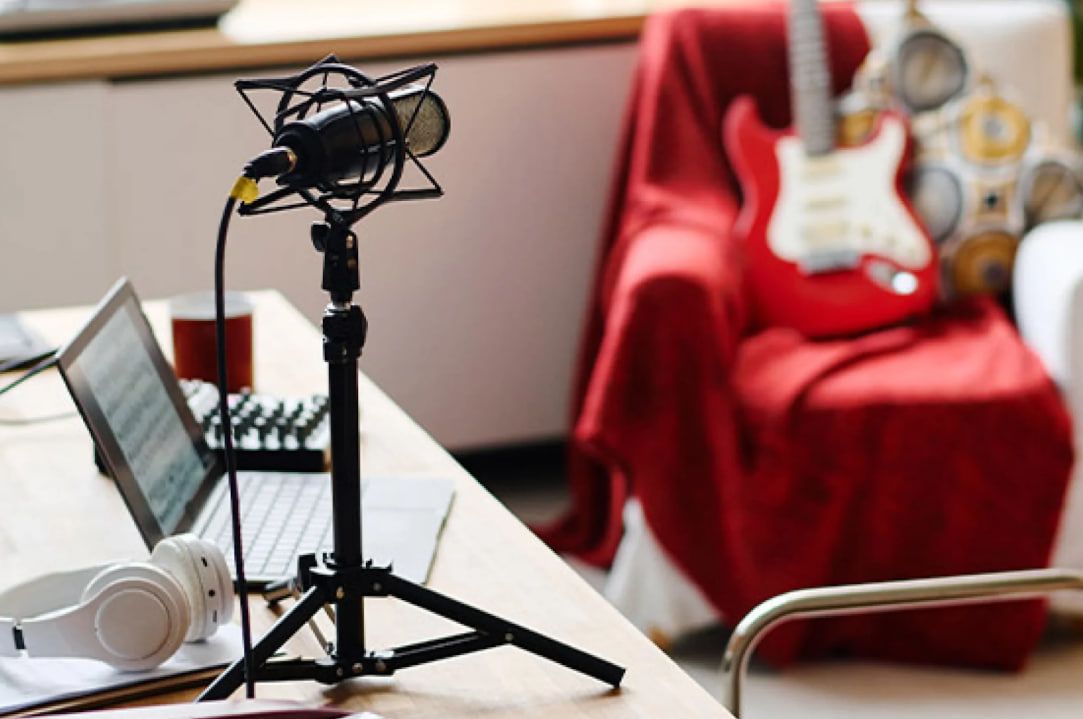
Image Credit to Artium Academy
👩🏫🎤 Ready to actually sing? Get MOOZ and take your first singing lesson →.
How Much Are Vocal Lessons? Breaking Down the Costs
Wondering how much vocal lessons cost? Prices vary by location, experience, and format. On average, private voice lessons run $50 to $90 per hour, with group sessions at $25 to $50. In cities like Los Angeles, expect $60 to $150 per hour for mid-range coaches, while high-end pros charge up to $500. Online options often start lower, around $40 to $70 hourly.
Other factors include session length (30–60 minutes) and teacher credentials. In Austin, TX, rates average $92.50 per hour. Invest where it counts — quality coaching pays off in vocal health and steady progress.
Essential Tips for Beginners in Vocal Training
If you're new to singing, focus on the basics to build a solid start. Always warm up with exercises like the yawn-sigh or humming to prevent strain. Practice proper posture: stand tall with relaxed shoulders for better breath support. Address common issues like a weak chest voice by speaking on pitch, or high-note shouting by exploring head voice.
Set realistic goals, like improving pitch matching, and practice a little every day. Mindful repetition matters more than speed — focus on technique first.
Exploring Different Singing Styles
Singing styles add flavor to your voice. Pop focuses on catchy melodies and dynamics, while rock demands grit and edge. Classical and opera emphasize control and legato, often requiring strong breath support. Jazz and blues bring distinct phrasing and improvisation, with breathy or raspy tones.
Other genres include country (storytelling with a twang), R&B (soulful runs), and heavy metal (growly power). Experiment in lessons to find what resonates with you.
When you're ready for real feedback on your voice, a teacher makes the difference. You can get MOOZ and take your first singing lesson.
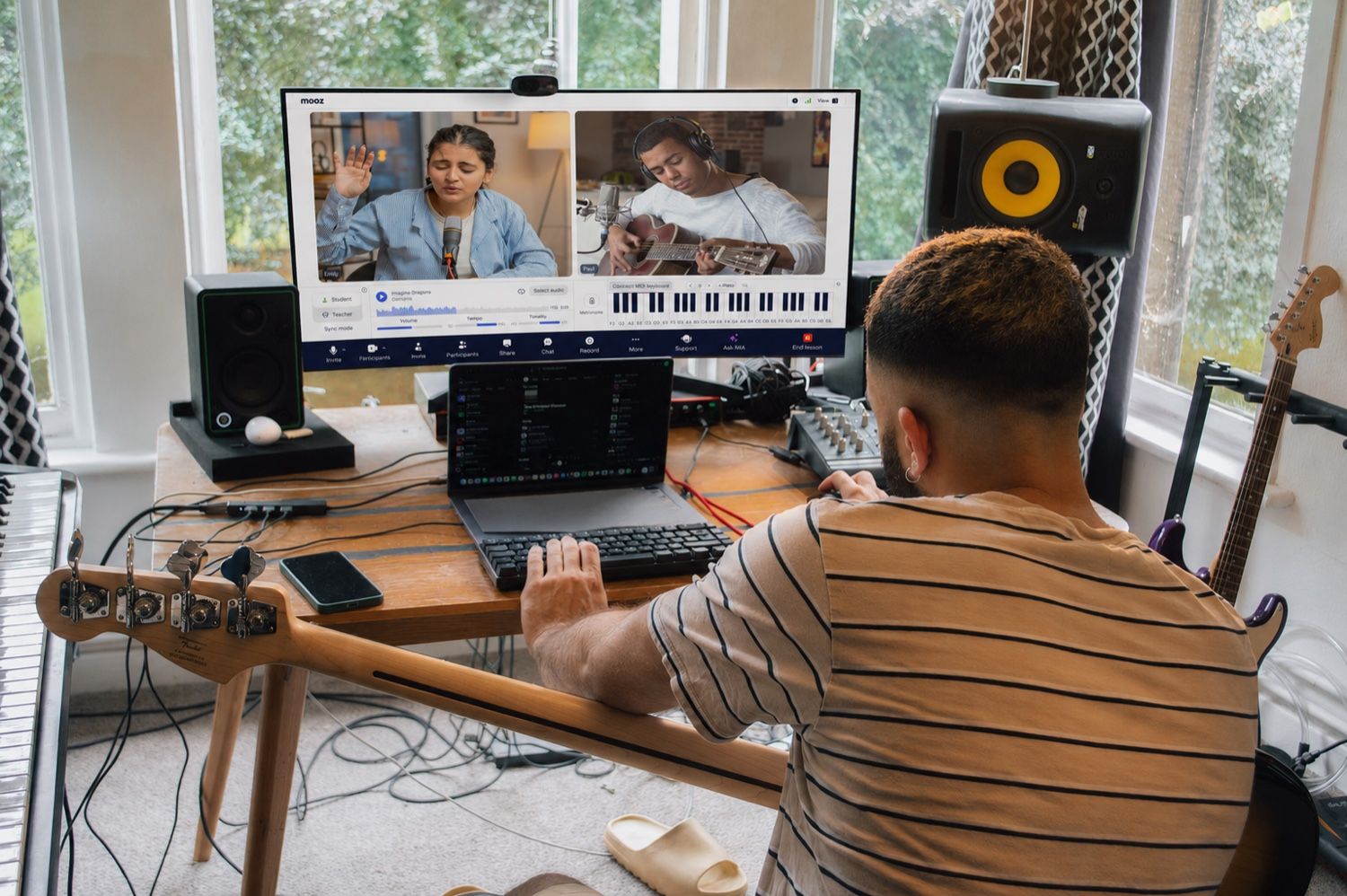
A singing lesson running in MOOZ. Free for students to join.

Related Articles
Before & After: MOOZ Multi-Cam Boosts Online Guitar Classes
Learn how MOOZ Multi-Cam system dramatically elevates online guitar lessons.
The First 30 Days: How to Check Your Online Music Lessons Work
Read MOOZ's step-by-step guide to checking your online music lessons after the first month.
Music Teachers and Time Management: Burnout Cancelled
Drowning in lesson plans and admin? This guide helps music teachers master their schedule.