
Industry News
Starting your piano journey is exciting, especially once you find the right teacher to guide you.
Why Finding the Right Piano Teacher Matters
A good piano teacher isn't just about location; it's about matching your goals, learning style, and schedule. Whether you want in-person sessions or online lessons, the right piano teacher near you can speed up your progress, prevent bad habits, and keep you motivated. Students who work with qualified instructors tend to improve their technique and musicality faster. And with today's music-focused video tools, even remote lessons can deliver clear, professional-quality feedback.
👩🏫🎹 The right teacher shortcuts months of guesswork. Get MOOZ and take your first piano lesson →.
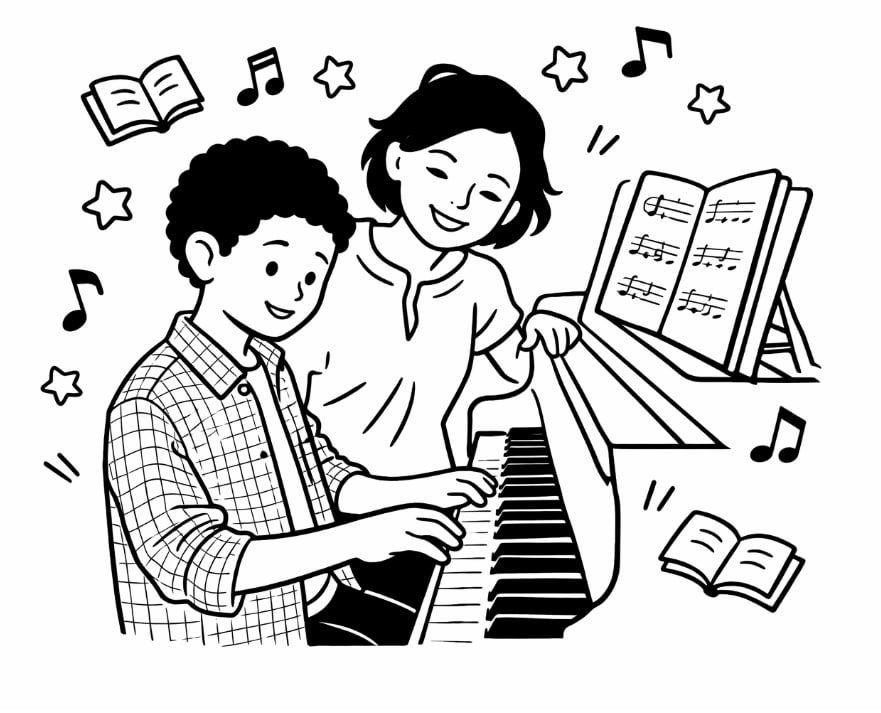
Enjoy the Process with YOUR Teacher
Step 1: Define Your Needs and Goals
Begin by clarifying what you want from lessons. Are you a complete beginner, or do you have some experience? Do you prefer classical, jazz, or pop? Consider your budget — piano lessons typically cost $30 to $100 per hour — and how flexible your schedule is. If online appeals to you, virtual lessons can connect you with teachers well beyond your own city, which is ideal for a busy life.
Think about age-specific needs too: kids often thrive with engaging, game-like methods, while adults usually want structured progress. Jot down your must-haves, like certification from organizations such as the Music Teachers National Association (MTNA). This step helps you target the right piano teacher near you.
Step 2: Gather Recommendations from Trusted Sources
Word-of-mouth is golden. Ask friends, family, or colleagues who've taken lessons — they'll give you honest insights. Local music stores often recommend in-house teachers or know reputable ones nearby. Check community boards, Facebook groups, or forums like r/piano for local suggestions.
Don't overlook schools and universities; many have music programs where faculty or advanced students offer private lessons. Contacting a nearby college's music department can lead to high-quality referrals. If you're open to online, sites like Lessonface.com list vetted teachers for virtual sessions.
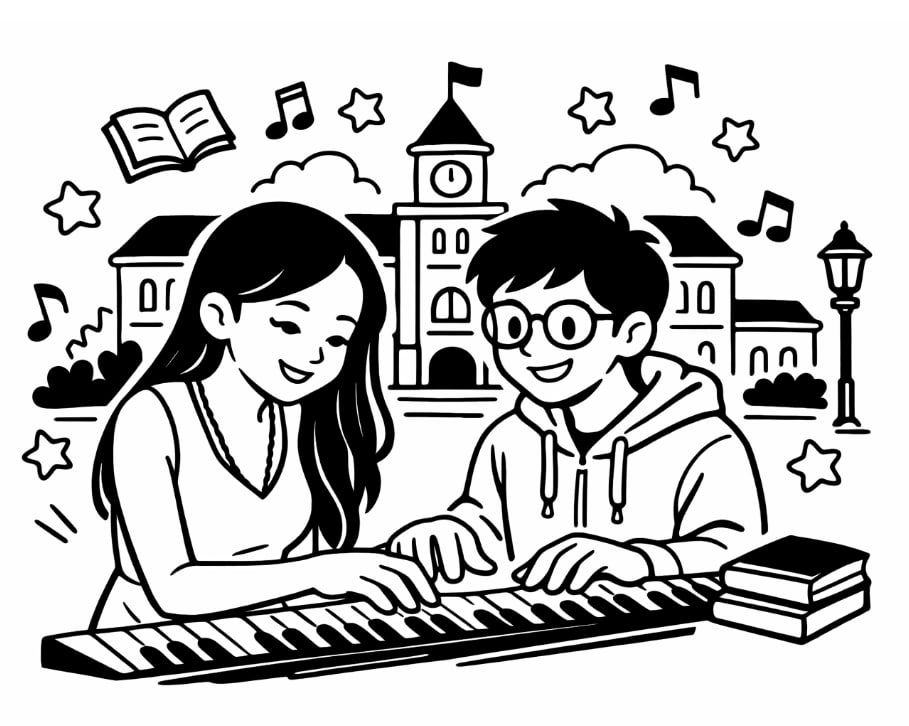
Gather Recommendations from Trusted Sources
Step 3: Search Online Directories and Platforms
Use the internet for a broader search. Start with queries like "piano teacher near me" on Google to find local listings. Dedicated platforms make it easy:
- Superprof: Browse profiles, read reviews, and book trial lessons starting from $10/hour.
- TakeLessons.com: A national database of certified teachers, good for both in-person and online.
- Bark.com: Matches you with teachers based on your requirements.
- MTNA Database: Search for nationally certified teachers by location.
For online-focused searches, platforms like Lessonface emphasize virtual setups. If you go that route, use a video tool built for music rather than a generic call, so lag and compressed sound don't get in the way of feedback.
Step 4: Evaluate Qualifications and Reviews
Once you have candidates, dig deeper. Check for degrees in music education, performance experience, or certifications like NCTM. Read testimonials on their websites or platforms — look for comments on teaching style, patience, and results.
Watch for red flags, such as no references or rigid methods that don't adapt to students. A quick YouTube search for their performances can reveal their skill level.
👩🏫🎹 Ready to start? Get MOOZ and take your first piano lesson →.
Evaluate Qualifications and Reviews
Step 5: Interview and Try a Lesson
Contact your top picks for a quick chat. Ask about their approach, experience with your level, and rates. Ask whether they will take a single booking first — it is the cheapest way to gauge chemistry. If you're going online, test the setup first; a good music platform with multi-camera views lets the teacher see your hands clearly, which sharpens feedback.
Trust your gut. If it feels right, commit — and remember, switching teachers later is completely okay.
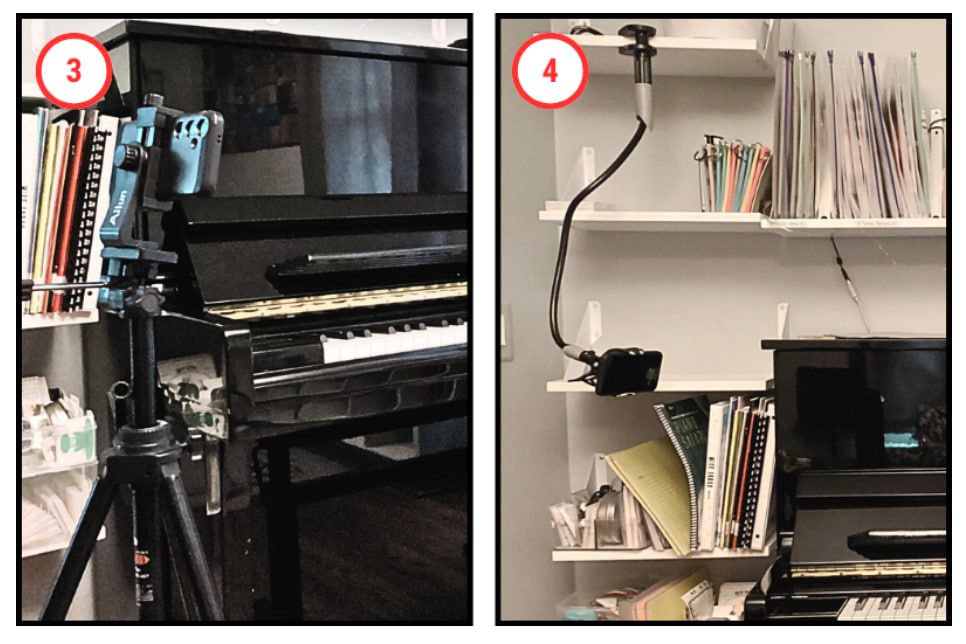
Tech Setups for Teaching Online Piano Lessons
When you're ready to reach out, you can get MOOZ and take your first piano lesson.
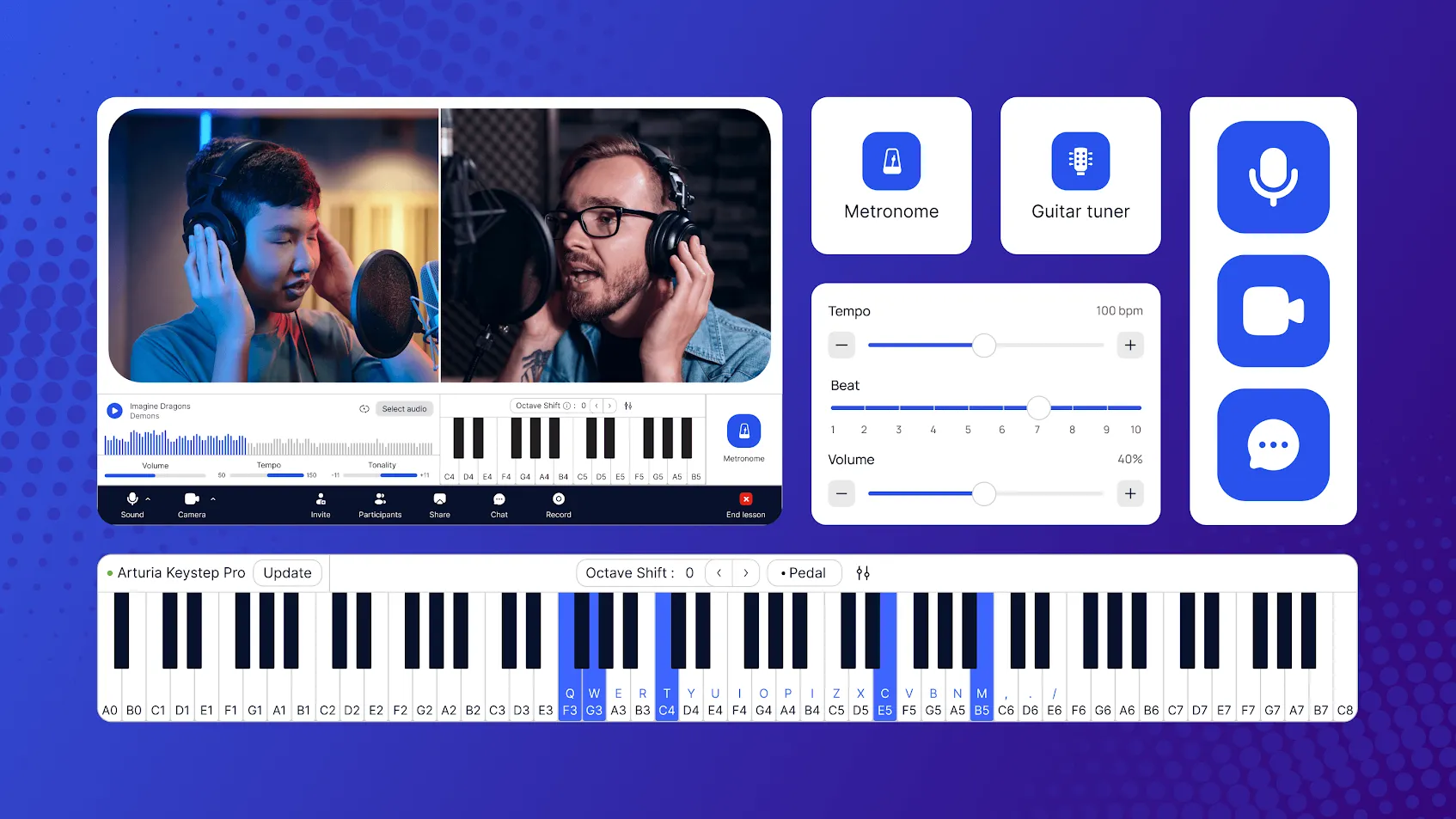
A piano lesson running in MOOZ. Free for students to join.
Related Articles
Before & After: MOOZ Multi-Cam Boosts Online Guitar Classes
Learn how MOOZ Multi-Cam system dramatically elevates online guitar lessons.
The First 30 Days: How to Check Your Online Music Lessons Work
Read MOOZ's step-by-step guide to checking your online music lessons after the first month.
Music Teachers and Time Management: Burnout Cancelled
Drowning in lesson plans and admin? This guide helps music teachers master their schedule.